
Pre-Planning
What Does Funeral Pre-Planning Actually Include?
A practical guide to what families can document during funeral pre-planning and how Didericksen Memorial helps make the process calm and clear.
Read article
A practical guide to what families can document during funeral pre-planning and how Didericksen Memorial helps make the process calm and clear.
The cremation process begins with identification, required authorization, completion of death documentation, and any required medical examiner review. The person is then placed in an appropriate container and cremated individually. After cooling, remaining bone fragments are processed into the material returned to the authorized recipient.
Direct cremation generally means cremation occurs without a formal ceremony beforehand. Cremation with a memorial service includes a gathering before or after cremation. The difference is the ceremony and timing, not the dignity of the care or the family's ability to remember the person.
Yes. Choosing cremation does not prevent a family from having a viewing, visitation, or funeral beforehand. The funeral home can coordinate preparation, timing, authorization, the ceremony, and cremation so the family can gather in the way that feels meaningful.

A funeral visitation is a scheduled time before the funeral or memorial when family and friends gather, offer condolences, view photographs or keepsakes, and sometimes see the person who died. It is usually less structured than the ceremony and gives guests time for brief personal support.
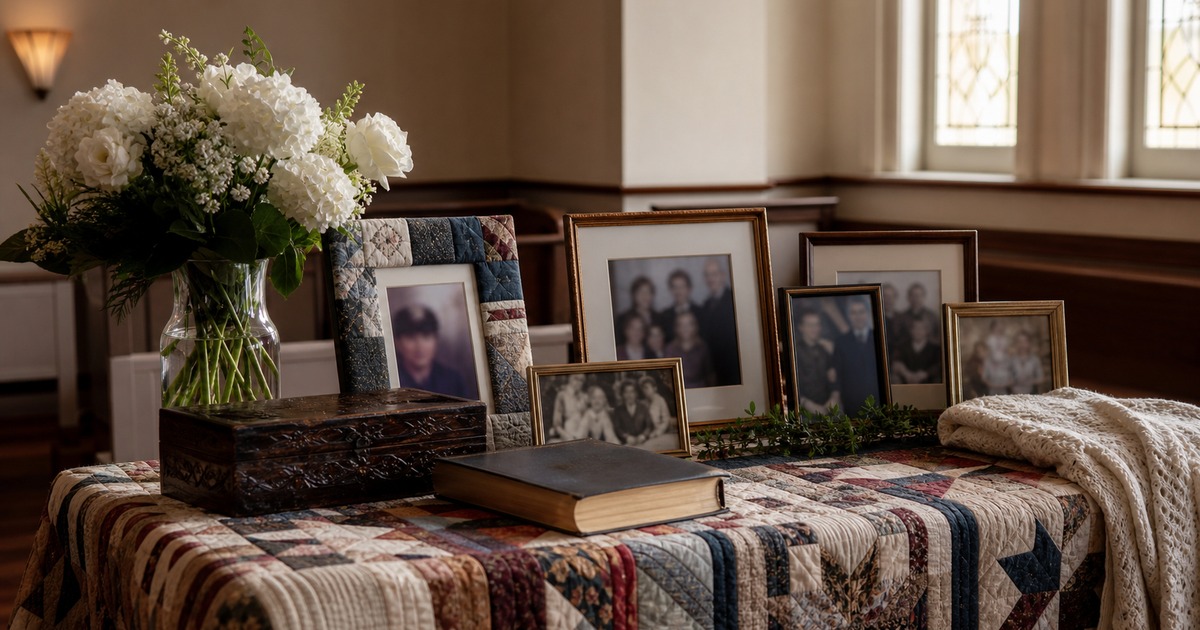
A funeral can feel personal without adding dozens of decisions. Choose two or three details that reflect the person's life, such as a favorite song, a photo display, a meaningful reading, a familiar object, or one story that captures their character. Let the rest of the service remain simple and well coordinated.
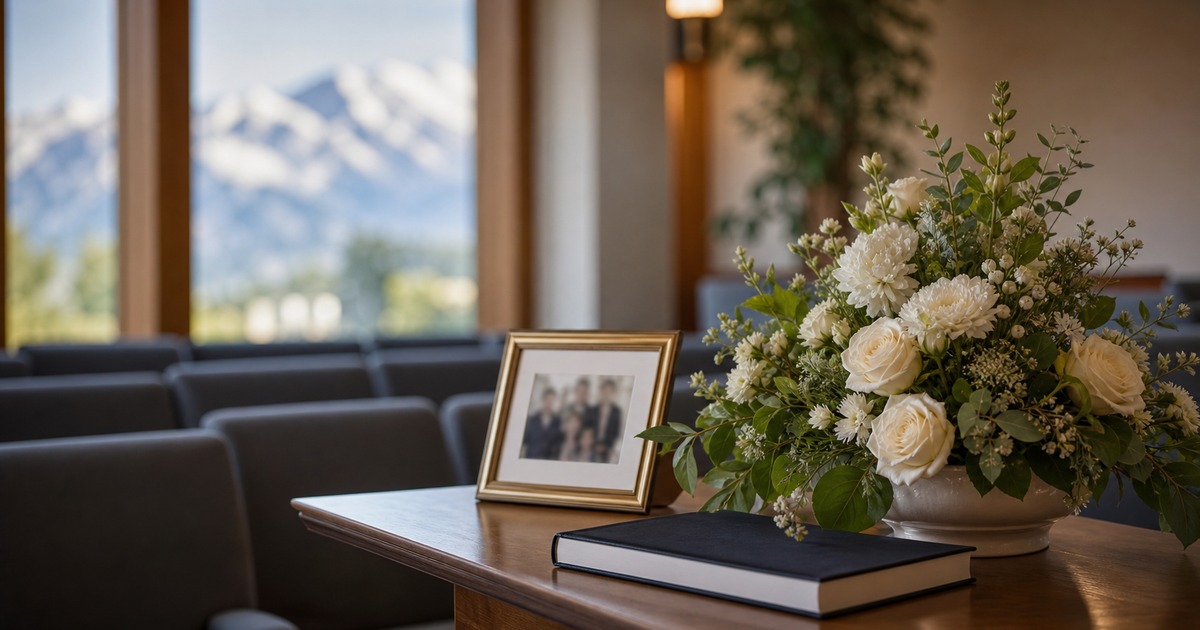
A funeral usually takes place with the person who died present, often before burial or cremation. A memorial service is generally held without the body present and may take place days, weeks, or later. Both can include music, readings, faith traditions, eulogies, photographs, and meaningful time with family and friends.

During the first 24 hours after a death, notify the appropriate medical or emergency professional, call the funeral home after authorization, identify one family contact, secure the person's home and dependents, and gather only the information needed for the next conversation. Most ceremony decisions can wait.
After you call a funeral home, the funeral director gathers essential information, confirms which professionals are involved, coordinates authorized transfer, and schedules an arrangement conversation. You are not expected to plan the entire service during the first call.

When someone dies in a hospital, hospital staff confirm the death, notify the appropriate physician, and guide the family through the hospital's release procedures. The family can then select a funeral home and authorize coordination. You do not need to make every funeral decision before calling Didericksen Memorial.

Learn how to write an obituary that shares essential details, honors a loved one's life, and gives family and friends clear service information.

A thoughtful comparison of cremation and burial to help families choose an option that reflects their loved one's wishes, beliefs, and legacy.

A calm, practical guide to the first calls, official procedures, and next steps after someone dies at home in Utah.
Learn how traditional funeral services provide structure, comfort, and meaningful ways for families to honor a loved one.